

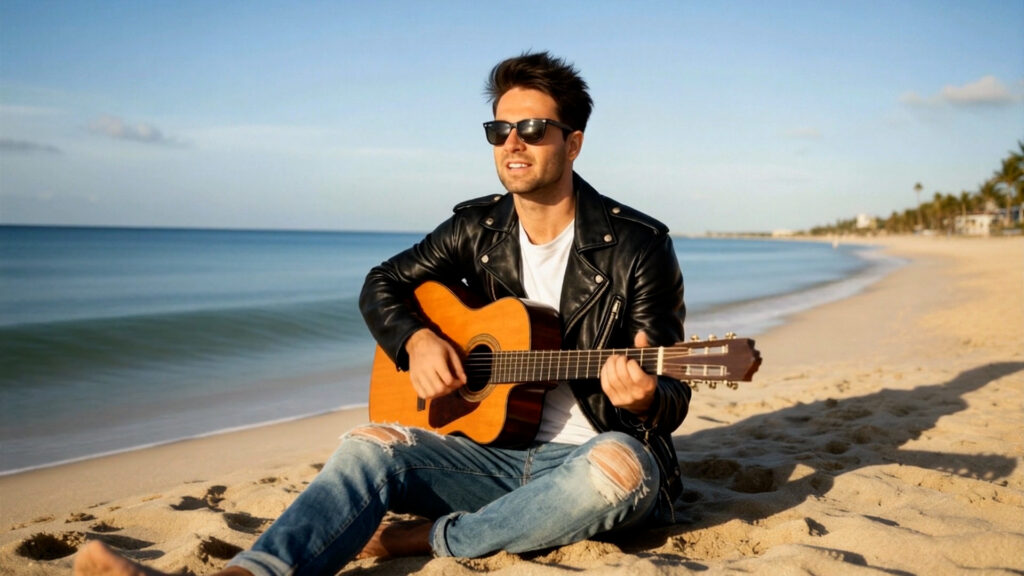




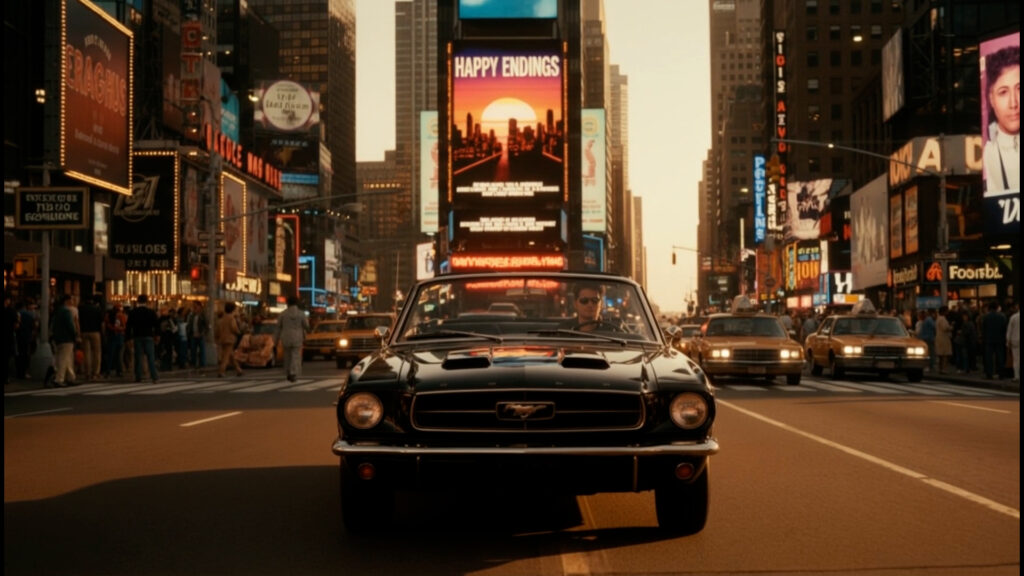
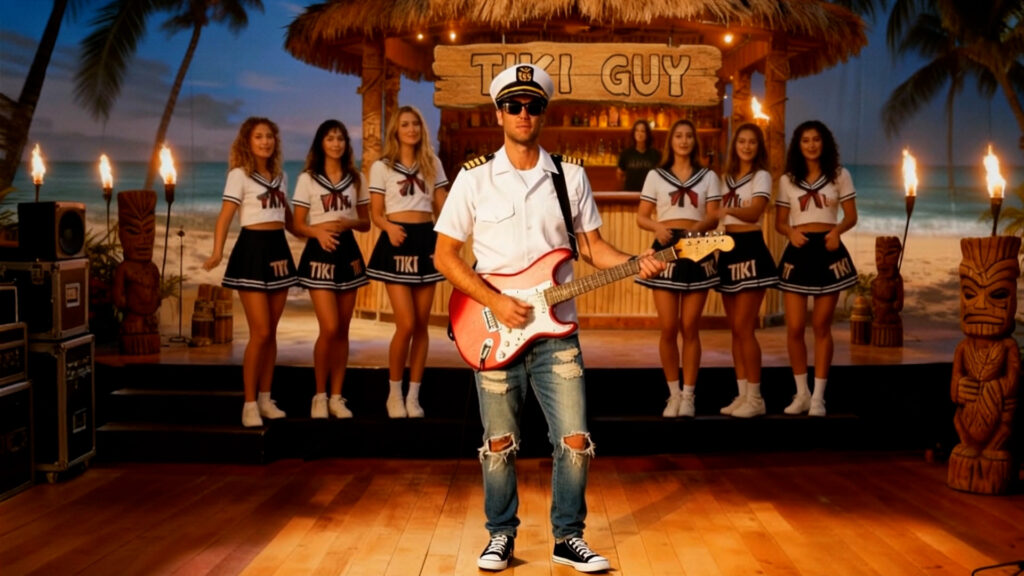

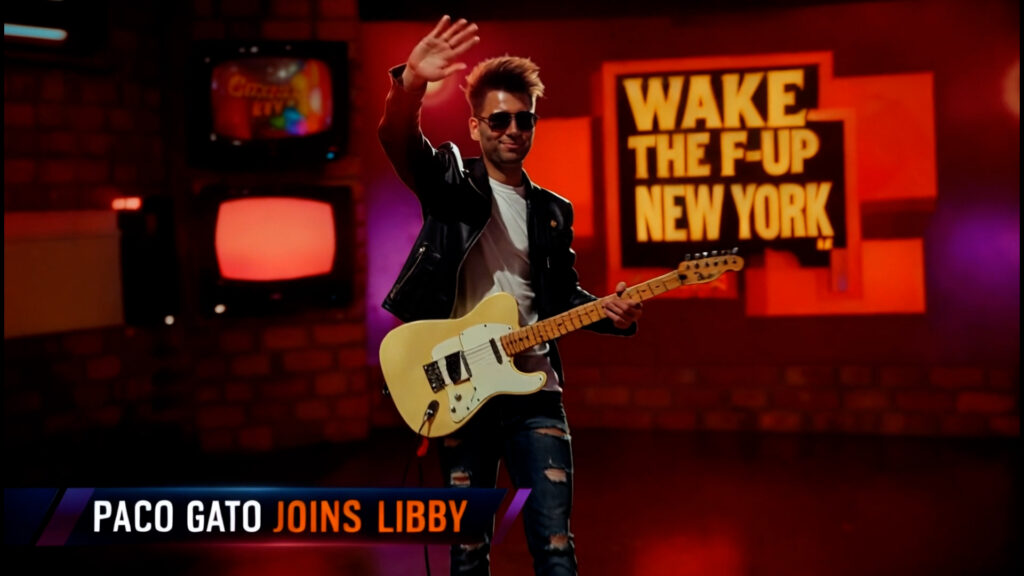


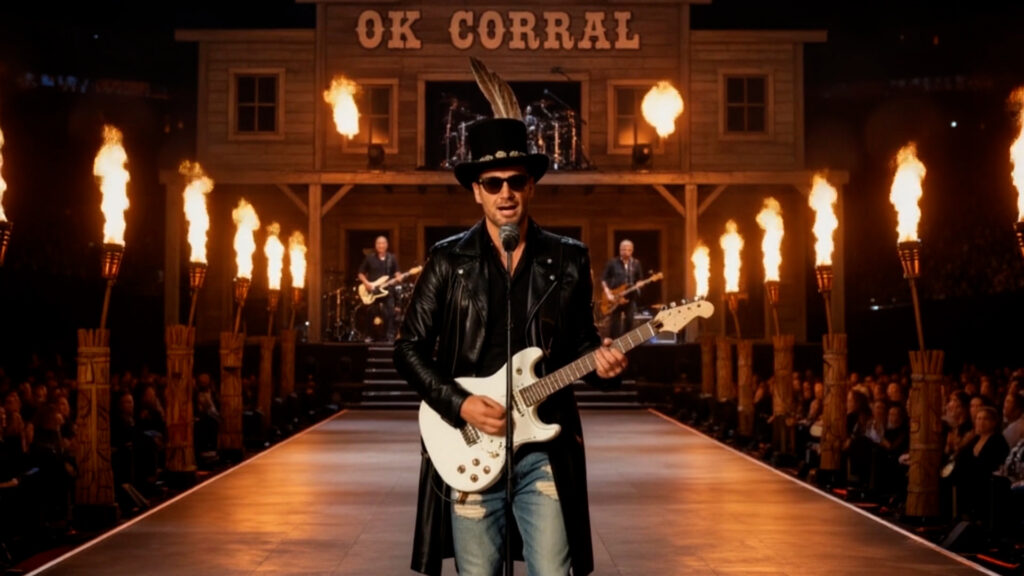

The Impossible Dream is a music-driven feature about the arc almost every listener knows in their bones: the first spark, the dizzying climb, the crash nobody plans for, and the quiet, stubborn work of beginning again. At its center is Paco Gato—an indie singer whose voice turns small rooms electric—told through a cinematic rock-opera format with over 40 original songs. It’s a film for all ages, designed to be felt as much as watched: a story you can hum on the way home.
The rise begins where great music usually does—close to the ground. Paco writes on kitchen tables and plays anywhere his chorus can bounce off brick: basements, VFW halls, side stages. The early numbers are engines of momentum—songs about late vans, found families, borrowed amps, and that impossible first roar when a crowd sings your hook back at you. The movie binds each beat of ascent to melody: every new rung on the ladder arrives with a riff, a chant, a call-and-response that makes ambition feel communal rather than lonely.
Fame, which arrives like a gift, behaves more like weather: bright one hour, punishing the next. The middle movement tracks the costs most behind-the-scenes stories flatten—creativity on a timer, the math of touring, the question of who you are when noise does the talking for you. Big, propulsive arena songs share space with lean, vulnerable pieces that refuse to lie about exhaustion. The camera treats performance and life with the same attention; whether Paco is staring down a stadium or the ceiling of a quiet room, the film lets the audience hear the tempo of his heart.
Then the storm. A collapse not staged for spectacle but for truth—the kind that makes physicians’ waiting rooms feel as large as cathedrals. Loss lands without melodrama, and the music doesn’t vanish; it thins to a thread you can still follow. In this hush, The Impossible Dream becomes a film about caretaking: of the self, of memory, of the people who still show up when applause does not. Lullabies and laments enter the setlist beside anthems, and the movie trusts young viewers to understand that bravery sometimes looks like asking for help.
Resurrection in this story isn’t magical; it’s a craft. Paco rebuilds the way he started—one chord, one friend, one honest rehearsal at a time. The songs of the third act sound like doors opening: rhythms that let bodies sway again, lyrics that make space for grief without giving it the last word. A neighborhood chorus—kids, neighbors, fans in cat ears who grew up on the early tracks—steps forward. The film’s message to families is simple and radical: second chances belong to communities, not just to heroes.
For younger audiences, the movie plays like a giant, generous concert where the lights occasionally find your row and the band invites you to sing. For longtime music lovers, it’s a clear-eyed letter about the work behind the roar. The language is accessible, the humor kind, the emotion earned. Parents will recognize themselves in the songs about ordinary love—paying bills, making dinner, forgiving, trying again. Kids will recognize themselves in the rhythms that can’t sit still.
The soundtrack is the story’s bloodstream. Fast, guitar-driven declarations share space with tender ballads, a wry neighborhood suite that turns everyday rules into harmonies, and a resilience cycle that translates medical charts into music you can carry. Leitmotifs—little melodic ideas—grow up across the runtime: a four-note hope from the opening becomes a towering chorus by the end. You don’t need a music theory lesson to feel it; your ear knows when a theme has learned something.
Visually, the film lives where stage and cinema meet: sweat, breath, crowds that ripple like water, and intimate close-ups that allow a single lyric to land. But the heart is always the human scale—the look passed between friends before a downbeat, the smile that says “we’re really doing this,” the small rituals that keep anyone’s dream alive: tune the guitar, tape the setlist, thank the room.
Ultimately, The Impossible Dream argues that the dream isn’t trophies or trending pages. It’s the people who walk back into the rehearsal space with you. It’s the audience that keeps a seat warm while you heal. It’s the right song arriving at the exact minute someone in the dark needs it. Paco’s “return” isn’t a headline; it’s a homecoming—to craft, to love, to purpose.
This is a film you can watch with your kids, your parents, your friends who never miss a show and your friends who never go. You’ll hear yourself somewhere inside these forty-plus songs, whether in a shout-along chorus or a single quiet line. By the final encore, the movie leaves you with a simple invitation: sing for the life you’re building—loud when you can, soft when you must—and keep going. Long live the ones who do.